Digital Security Alert: Identifying Clone Sites & Securing Logins
Guide to verifying gaming platform authenticity, identifying phishing domain signatures, and securing personal player credentials.
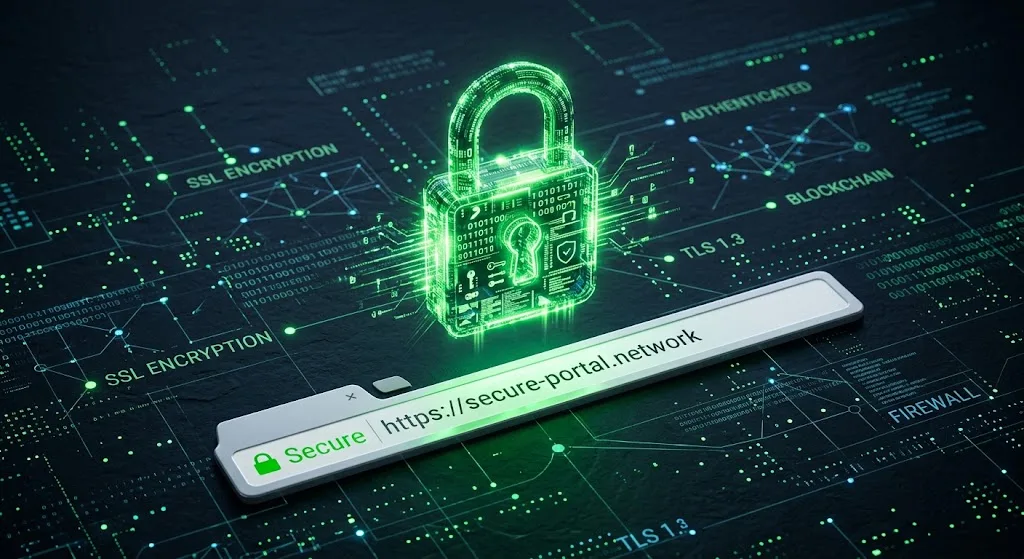
As mobile entertainment platforms expand their user bases, cyber syndicates increasingly employ typosquatting and visual phishing tactics. Counterfeit websites are constructed to mimic authentic brand portals, attempting to harvest user login credentials and intercept financial transactions.
Protecting digital assets requires understanding how to distinguish genuine portals from unauthorized copies.
Red Flags of Counterfeit Portals
Malicious clones display recurring technical footprints:
- Suspicious Domain Syntax: Cloned sites often use obscure top-level domains (.top, .click, .xyz) paired with hyphenated names designed to deceive casual readers.
- Missing Cryptographic Certificates: Counterfeit mirrors frequently use temporary, shared domain certificates or trigger browser security warnings regarding invalid SSL roots.
- Broken Internal Routing: Clone pages rarely replicate complete site architectures; secondary links like terms of service, game categories, and support tabs frequently reload the same page or lead to dead ends.
Best Practices for Account Authentication
Users should follow structured hygiene to verify their gaming session:
- Cross-Check Verified Channels: Rely exclusively on official brand communication networks to acquire portal addresses.
- Enable Multi-Factor Authentication (MFA): Ensure login portals require secondary authentication for withdrawals and password updates.
- Inspect SSL Handshakes: Click the padlock icon in your browser to confirm the connection is issued by an accredited Certificate Authority.
Accessing Authenticated Infrastructure
To prevent accidental credential theft, players must verify that they are routing their connection through legitimate server gateways. Access the authentic platform directly via the verified EZ8 Official Portal, which ensures 256-bit encrypted sessions and dedicated member protection.
For broader guidelines on safeguarding digital identity, consult resources provided by the Cybersecurity and Infrastructure Security Agency (CISA).